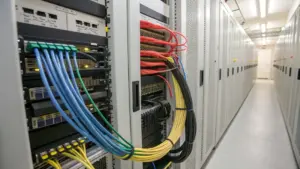
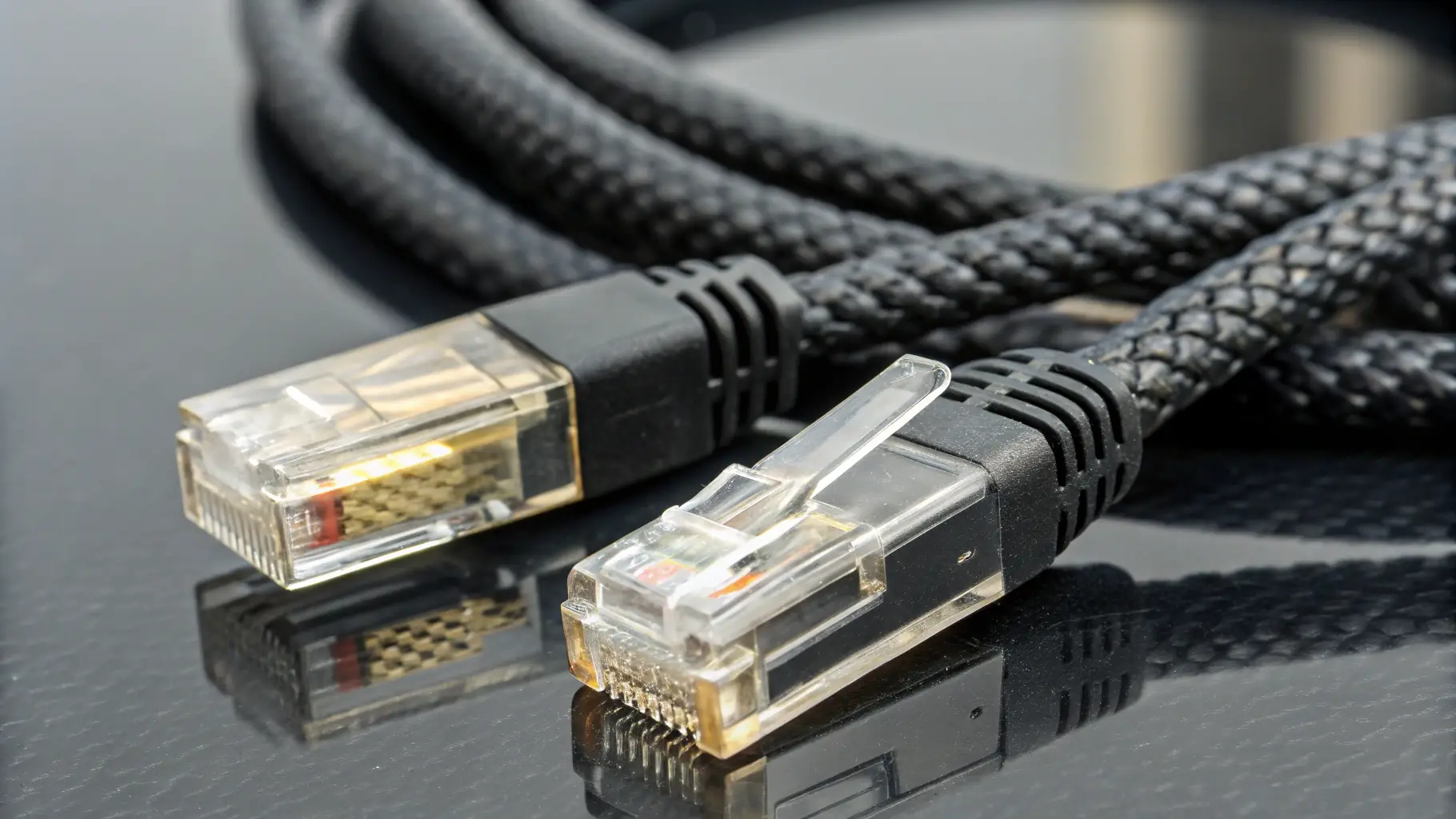
When planning your network infrastructure in Atlanta, understanding the nuances between CAT6 and CAT6A cabling is crucial. CAT6 cabling supports bandwidths up to 250 MHz and speeds up to 10 Gbps for shorter distances, typically suitable for standard office environments. CAT6A, on the other hand, doubles the bandwidth to 500 MHz and maintains 10 Gbps speeds over longer distances, making it ideal for data-intensive applications. The shielded construction of CAT6A also provides better protection against crosstalk and interference, ensuring more reliable data transmission. Consider your current and future bandwidth requirements, as well as the physical layout of your office, to make the right choice.
For businesses anticipating significant growth or those utilizing bandwidth-heavy applications like video conferencing and large file transfers, CAT6A is often the preferred choice. While the initial investment for CAT6A is higher, the increased performance and future-proofing capabilities can provide long-term cost savings. CAT6 might suffice for smaller businesses with less demanding network needs, but it’s essential to evaluate potential future upgrades. Consulting with a structured cabling expert in Atlanta can help you assess your specific needs and determine the most cost-effective solution.
Ultimately, the decision between CAT6 and CAT6A hinges on balancing current needs with future scalability. A well-planned cabling infrastructure is a critical investment in your business’s productivity and efficiency. DataTel 360, powering Cabling Atlanta, offers comprehensive network assessments and cabling solutions tailored to your unique requirements. Contact us today to discuss your options and ensure your network is ready for the demands of tomorrow.